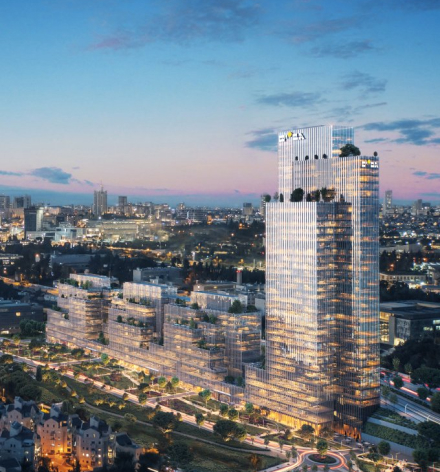



A rare meeting between academic research, technological innovation and industry


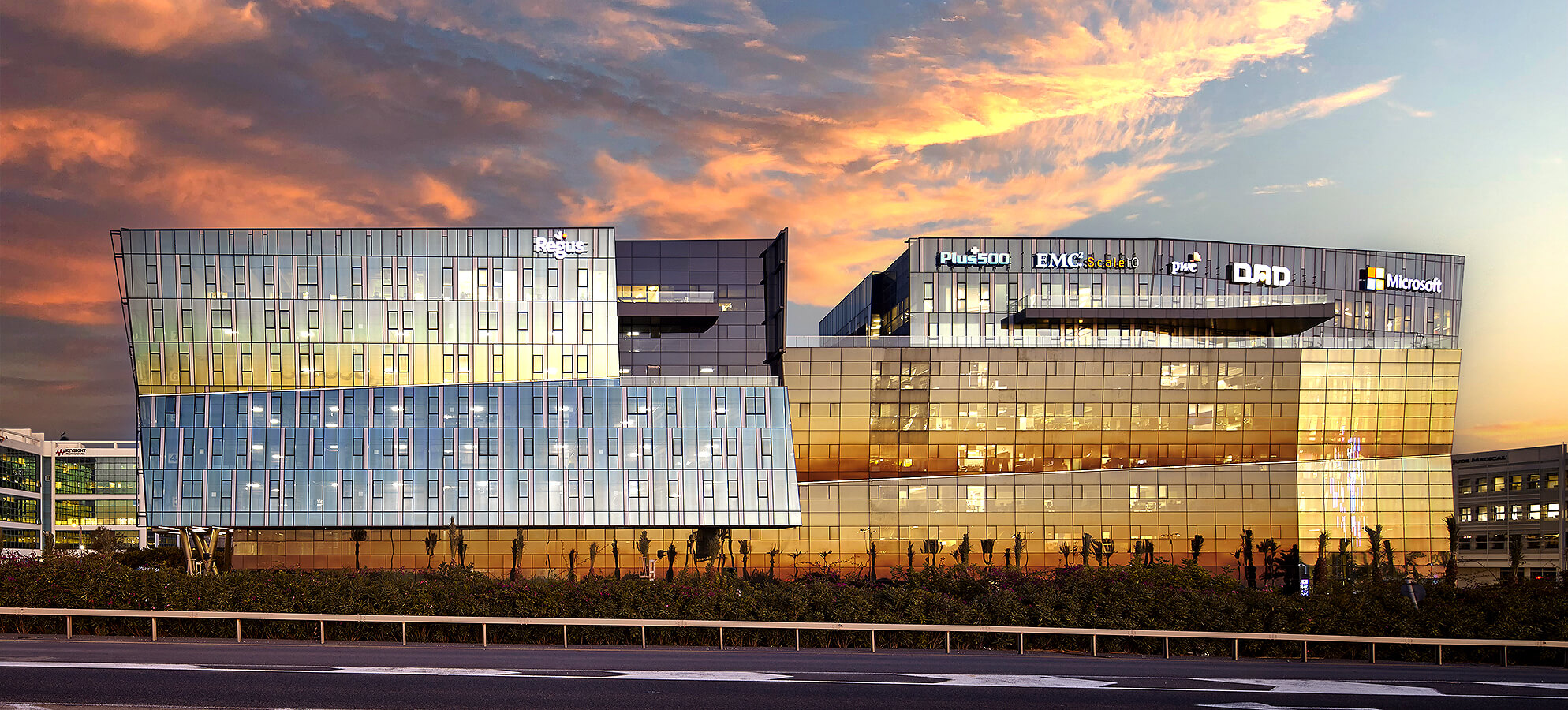


“Employees at large companies are returning to offices, so they need space.”
A crisis in high-tech? It seems that the real estate company Gav-Yam, which rents properties mainly to technology giants, has not really heard of it. In the second quarter of 2023, the company recorded an increase in its main operating indicators both compared to the same period last year and compared to the previous quarter. At the same time, a sharp decline in profit from real estate valuations led to a drop in net profit attributable to shareholders.
The NOI, which measures net operating income, reached NIS 163 million in the second quarter, an improvement of 19% compared to the same period last year and 5% compared to the first quarter of this year. The improvement was due to the occupancy of new properties, including the Rav Barih factory in Ashkelon, a tower in Matam and Marlog in Haifa Bay, along with an 8% increase in NOI from identical properties (which were fully leased throughout both periods), reaching NIS 148 million, due to the impact of the increase in the index and the increase in rents.
During the quarter, Gav Yam signed 39 new lease agreements on existing properties, generating annual income of NIS 36 million, with a real increase (beyond the increase in the index) of 11% in rents, similar to the increase recorded in the corresponding quarter. In the first half of the year, Gav Yam signed 73 new lease agreements on existing properties, with a real increase of 10% in rents. The agreements will generate annual income of NIS 63 million.
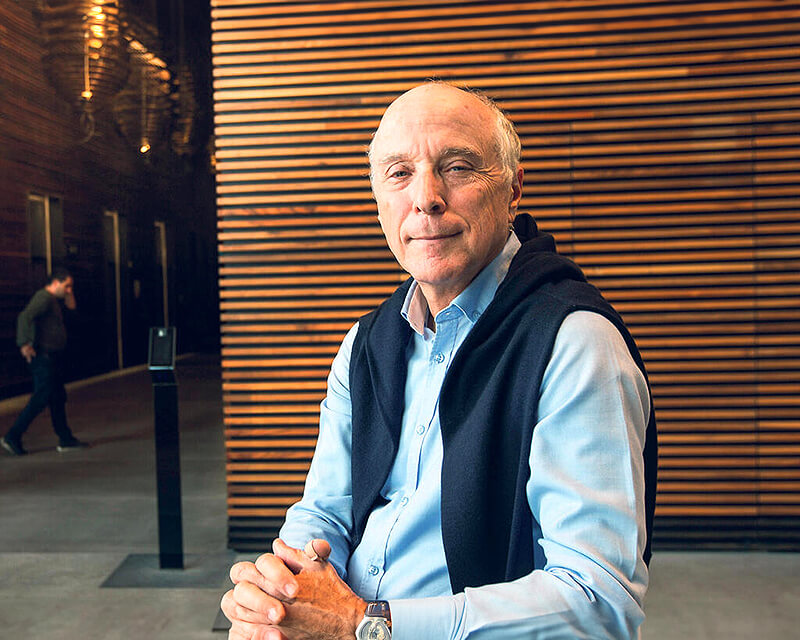
“The employees at the large companies are returning to the offices and therefore they need space,” Avi Yakubovich, CEO of Gav Yam, told Calcalist. “Demand is strong mainly in the central properties in Tel Aviv, Herzliya and MTA Haifa, but also in others, although at a lower rate. The tenants are trying to flex the terms of the options for continuation, with greater involvement of management from abroad, but there are no contract cancellations or reductions in space and no subleases.” FFO, which is the accepted indicator for measuring the profitability of income-producing real estate companies, reached NIS 102 million in the quarter, an improvement of 24% compared to the corresponding quarter and 6% compared to the previous quarter. This is mainly due to the improvement in NOI, which includes financing income of NIS 10 million, which came from the increase in interest rates on deposits (at the end of the quarter, Gav Yam held NIS 387 million in investments and short-term deposits, compared to NIS 223 million in the corresponding period).
Real estate revaluation profits fell by 47% in the second quarter to NIS 362 million. The positive revaluations were mainly due to the increase in the index (NIS 240 million) and the first revaluation of properties under construction (NIS 120 million). The increase in discount rates to 6.5% deducted NIS 80 million from the value of the properties. Net profit attributable to shareholders fell by 51% and amounted to NIS 247 million. In the first half, NOI rose by 18% to NIS 318 million, NOI from identical properties rose by 9% to NIS 291 million. FFO rose by 33% to NIS 198 million. Real estate revaluation profits fell by 52% and amounted to NIS 407 million, and net profit attributable to shareholders fell by 47% to NIS 335 million. Gavi Yam raised its NOI forecast for 2023 by NIS 10 million to NIS 640 to NIS 655 million and the FFO forecast by NIS 20 million to NIS 380 to NIS 400 million. In August, the company will distribute a NIS 60 million dividend.
“The results are good and we see an improvement in rental contracts, but this comes after the previous contracts were signed for long periods of time and therefore their prices were low, and it is not certain that this trend will continue over time. Especially if companies reduce activity and there is a decline in the office sector,” said Danor Erez, director of the investment division at Psagot Mutual Funds. “Gav Yam is well managed and holds quality assets, but in the end it too will be affected by what is happening in the entire market.”

The income-generating properties company, which leases space mainly to tech giants, executed new contracts reflecting rental fees that are 11% higher in Q2. The FFO rate in H1 indicates that 2022 will be Gav-Yam’s most profitable year. The company announced dividends of ILS 130 million

A TASE study found that 63 publicly traded companies consistently distributed dividends over at least ten years. Their shares in the last decade yielded average returns of 350% compared to 56% generated on the TA-125 index. 75% of the companies that maintained consistency recorded triple-digit returns.
 To the article on the portal
  Share the article